
Understanding Roller Blinds Parts
Roller blinds are arguably the most popular window treatment in modern homes. They are sleek, functional, and space-efficient. However, like any mechanical system, they rely on a symphony of moving parts to work smoothly. Whether you are a homeowner looking to fix a stuck shade or a buyer comparing quality, understanding roller blinds parts is essential for making a smart investment.
In this guide, we will break down the anatomy of a roller blinds—from the bracket to the tube and fabric. We will explain the pros and cons of different materials, help you troubleshoot common failures, and give you a clear benchmark for what constitutes a high-quality product.

The Four Core Roller Blinds Parts Systems
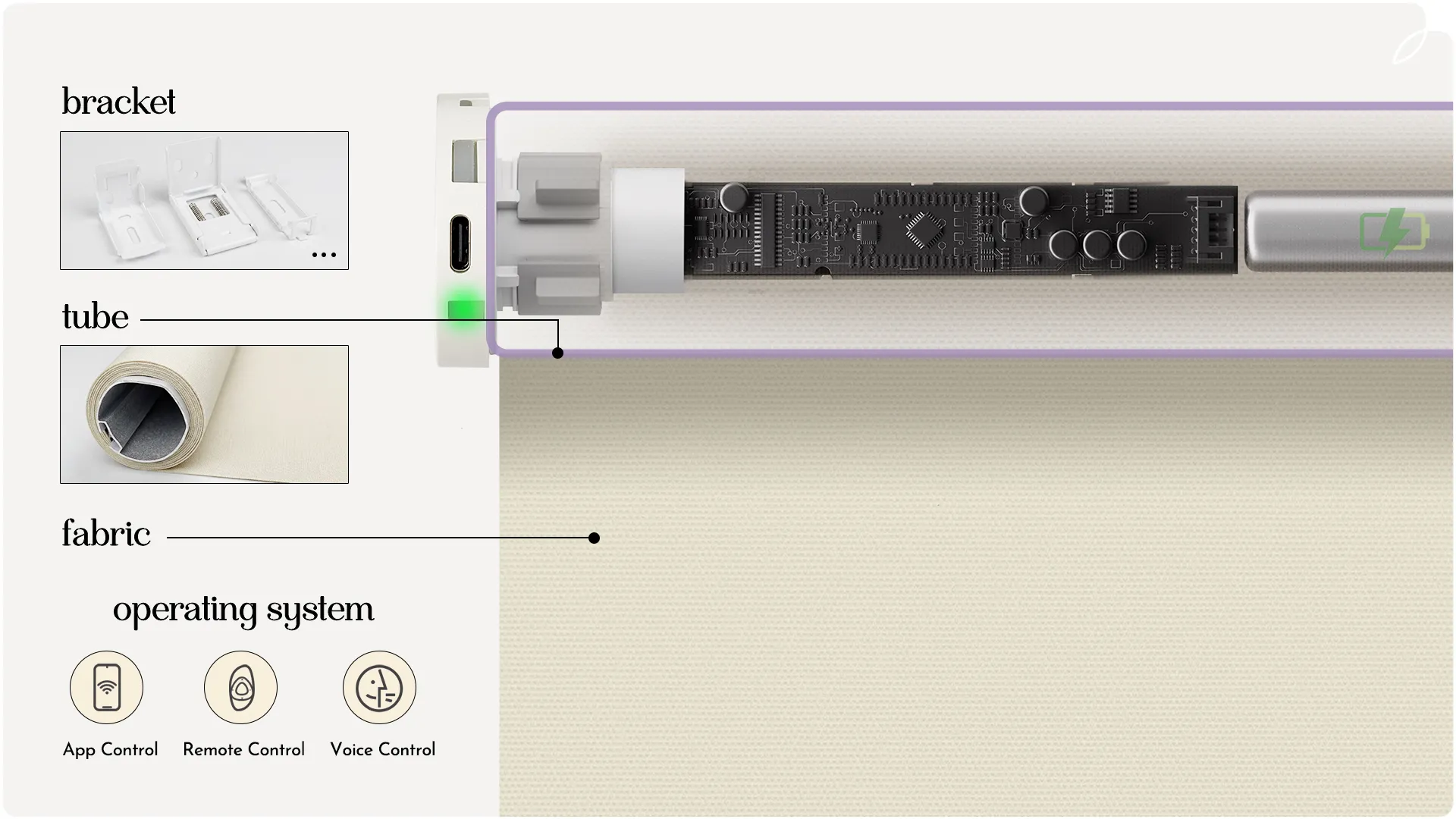
1. Bracket System: The Foundation
The bracket is what holds your entire shade to the wall, ceiling, or window frame.
Common materials:
- Steel – Strong, durable, resists bending
- High-impact plastic – Lighter, but prone to cracking under tension
Why material matters:
A steel bracket can support heavier fabrics and wider shades for years. Plastic brackets may save money upfront but often crack under spring tension or motor vibration, causing the shade to fall.
Pro tip: For windows wider than 72 inches, always choose metal brackets.
2. Roller Tube: The Core
The tube is the cylinder the fabric wraps around. It must stay perfectly straight under the weight of the fabric.
Material comparison:
|
Material |
Strength |
Best for |
|
Thin aluminum / cardboard |
Low |
Small, lightweight shades |
|
Thick-gauge aluminum |
High |
Wide or heavy fabrics |
What can go wrong:
A weak tube will bow (deflect) in the middle, causing the fabric to telescope—slide to one side. Once that happens, the shade will never roll up straight again.
3. Fabric and Hem Bar: The Visible Interface
Fabric isn't just about looks. Its weight and construction affect every other roller shade part.
Key quality indicators:
- Anti-fray edges (prevent unraveling over time)
- Reinforced hem bar (the weighted bottom piece)
- Consistent weave density
A flimsy hem bar leads to fabric rippling. A heavy, well-constructed hem bar ensures the shade hangs perfectly flat.
4. Operating System: The Engine
This is the most complex of all roller shade parts. Your choice determines daily usability and long-term maintenance.
|
Operating System |
Mechanism |
Lifespan |
Best for |
|
Spring-assisted |
Internal spring tension |
Moderate |
Small, lightweight shades |
|
Continuous loop (chain) |
Beaded chain + clutch |
High (with metal gears) |
Heavy fabrics, daily use |
|
Motorized |
DC motor + battery/wiring |
High |
Hard-to-reach windows, smart homes |

Manual vs. Motorized: Which Operating System Lasts Longer?
When comparing roller shade parts across different operating systems, here’s what actually breaks.
Spring Systems
Springs lose tension over time. First symptom: the shade creeps down slowly. Second symptom: it won’t stay up at all. Some springs can be re-tensioned by hand, but most budget springs are sealed and non-serviceable.
Continuous Loop (Chain) Systems
The chain itself rarely breaks. The problem is usually the clutch mechanism—plastic gears that wear down. A high-quality clutch uses metal internal gears and costs only slightly more to manufacture but lasts years longer.
Motorized Systems
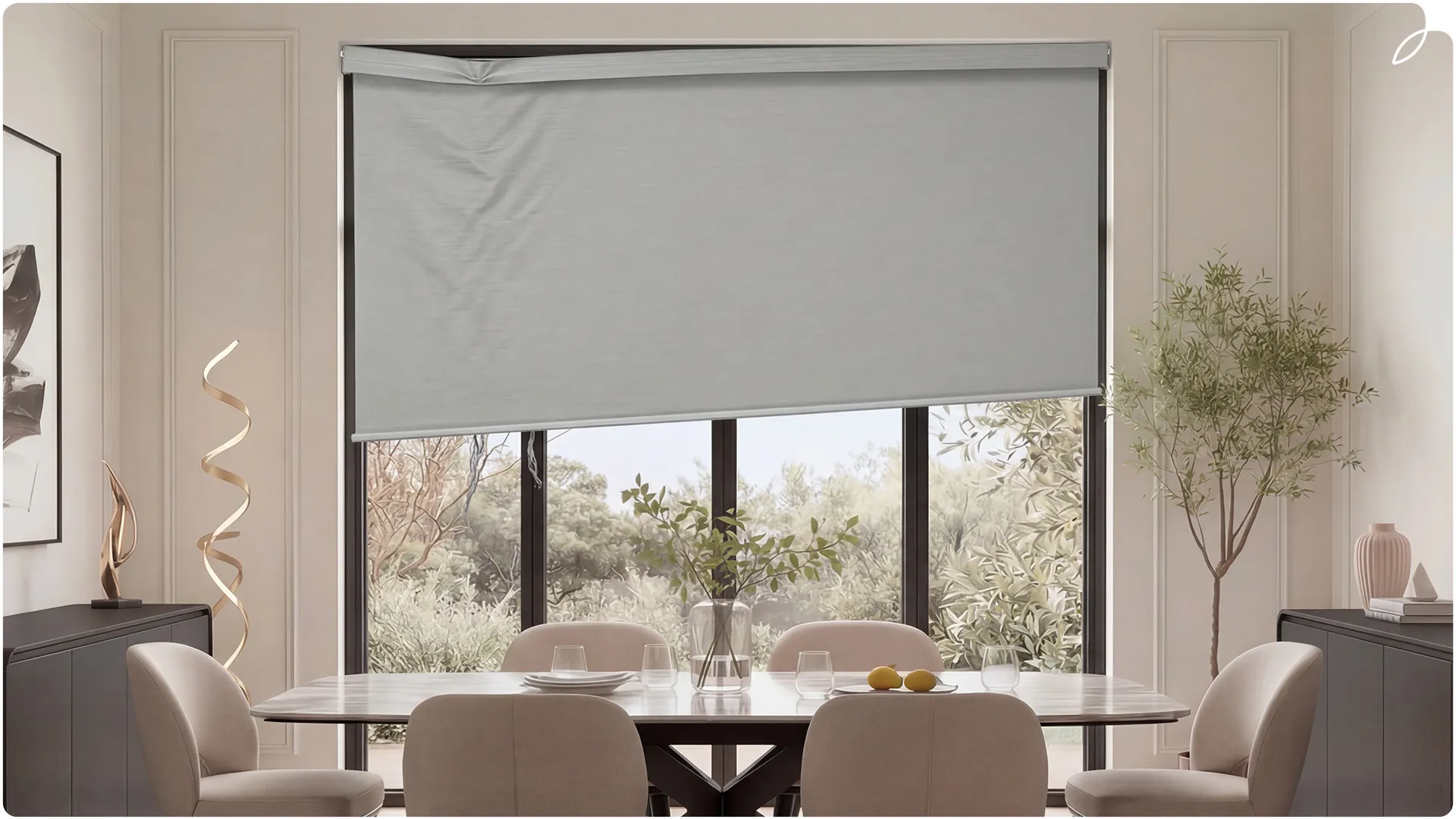
Motor failures are usually battery-related or due to poor limit-switch calibration. Quality motors stop automatically at the top and bottom, reducing strain on the fabric and tube. Cheap motors keep grinding, wearing down internal roller shade parts.
Verdict: A well-made manual system with metal components can outlast a cheap motorized system. But a quality motorized system—with proper limit switches and rechargeable batteries—offers the best long-term convenience.
Common Roller Blinds Problems and Which Parts to Replace
Here's a practical troubleshooting guide you can use today.
|
Problem |
Most likely faulty part |
DIY fix possible? |
|
Shade won't stay up |
Spring or clutch |
Yes (re-tension spring or replace clutch) |
|
One side hangs lower |
Idler bracket or telescoping fabric |
Yes (re-align fabric) |
|
Chain jams or skips |
Plastic clutch teeth worn |
No (requires new clutch) |
|
Motor blinks red |
Battery low or obstruction |
Yes (charge battery or remove blockage) |
|
Fabric won't roll straight |
Tube bowed or fabric misaligned |
Sometimes (re-roll manually; replace tube if bent) |

The Graywind Advantage
When you start looking for replacements or new shades, you will notice huge price gaps. This usually comes down to the grade of roller shade parts used inside.
Graywind positions itself as a premium solution in the DIY smart shade market, focusing on metal-first construction and service guarantees. Here is how their components compare to the industry standard.
Material & Fabric Selection
Graywind offers 12 distinct series of roller shades. This variety isn't just about color; it covers specific mechanical needs:
- Fabric Options: Full Blackout (0% light), Thermal Blackout (insulated), and Semi-Sheer (see-through).
- The Impact: For motorized shades, fabric weight matters. Graywind’s engineering of the motor torque accounts for the specific weight of their high-density fabrics, ensuring the motor doesn’t burn out pulling heavy Blackout material.
Graywind backs its roller shade parts with policies that address the two biggest customer fears: wrong measurements and hidden defects.
Worry-Free Fit: Perfect Fit Guaranteed
Measuring for custom shades can be stressful. Graywind removes that pressure.
“If there is a discrepancy within a reasonable range (based on our guide), we offer a free remake or replacement within 30 days of delivery.”
This means even if your measurement isn’t perfect, you're covered.
Return & Refund Policy: Tailored to Your Vision
Because every shade is custom-made, Graywind recommends ordering Fabric Swatch Booklets first. If a quality issue arises—or the product differs from your order due to Graywind's error—you can request a return or refund within 30 days of delivery.
5-Year Warranty: Built for Long-Lasting Performance
Most window treatments offer 1–3 years of coverage, often excluding the motor.
*Roller Shades come with a 5-year warranty, covering manufacturing defects under normal residential use.*
This includes the motor, brackets, tube, and operating system—giving you peace of mind for years.
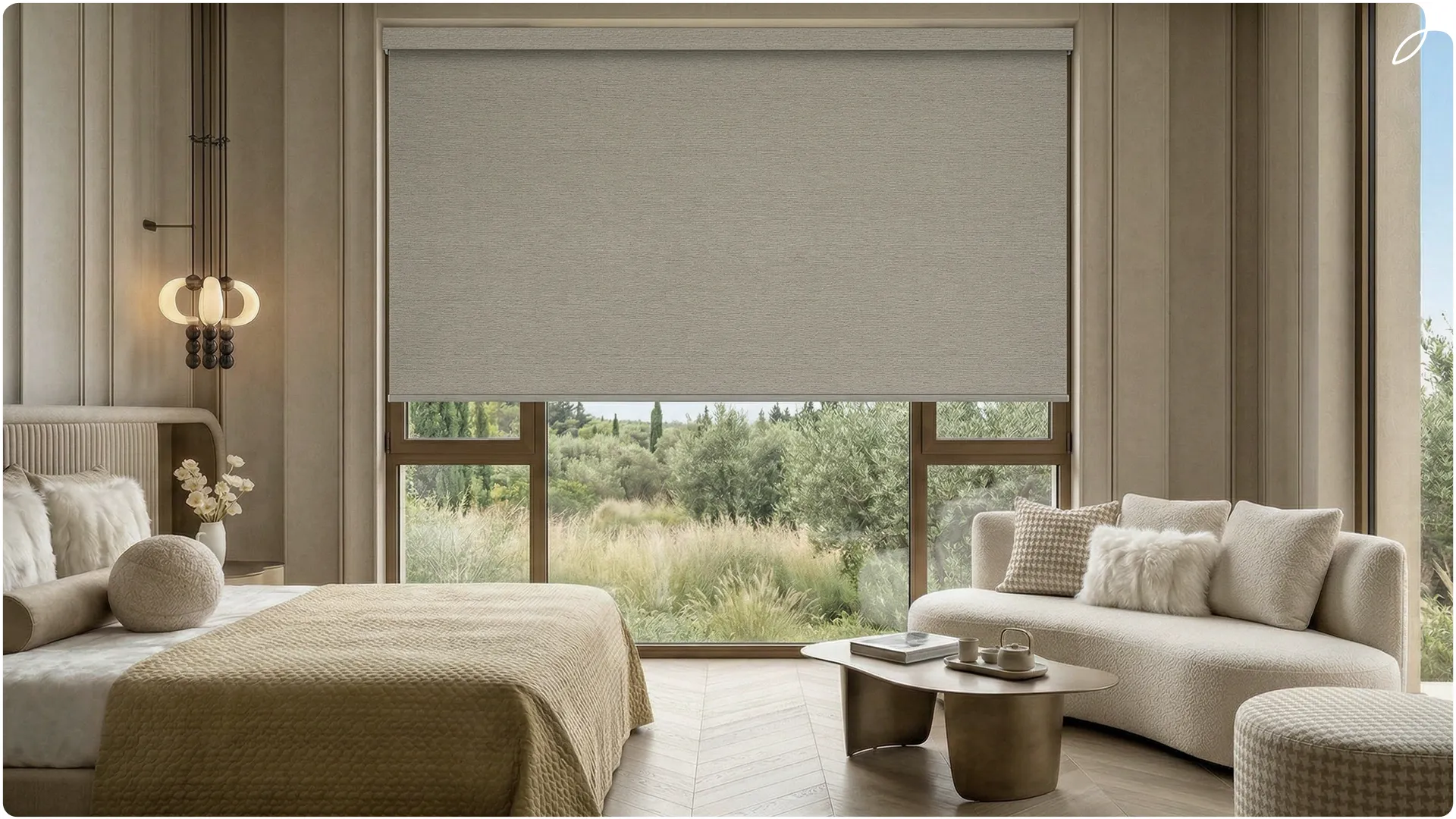

Ready to upgrade? Order the Fabric Samples from Graywind to feel the weight and texture of the material, or use their Measure Guide to get an instant quote on a custom shade that won't sag, stick, or slip.