
Are Window Treatments Recyclable? A Sustainable Disposal Guide
If you're wondering whether your old window treatments can simply be tossed into the recycling bin, you’re not alone. As we become more conscious of our environmental footprint, knowing how to dispose of household items responsibly is essential. Curtains and window treatments, however, aren't always straightforward to recycle due to their mixed materials and construction. This guide will walk you through the recyclability of different curtain types, sustainable disposal options, and how to make eco-friendly choices for your next purchase.


Understanding Curtain Materials: What Are Your Window Treatments Made Of?
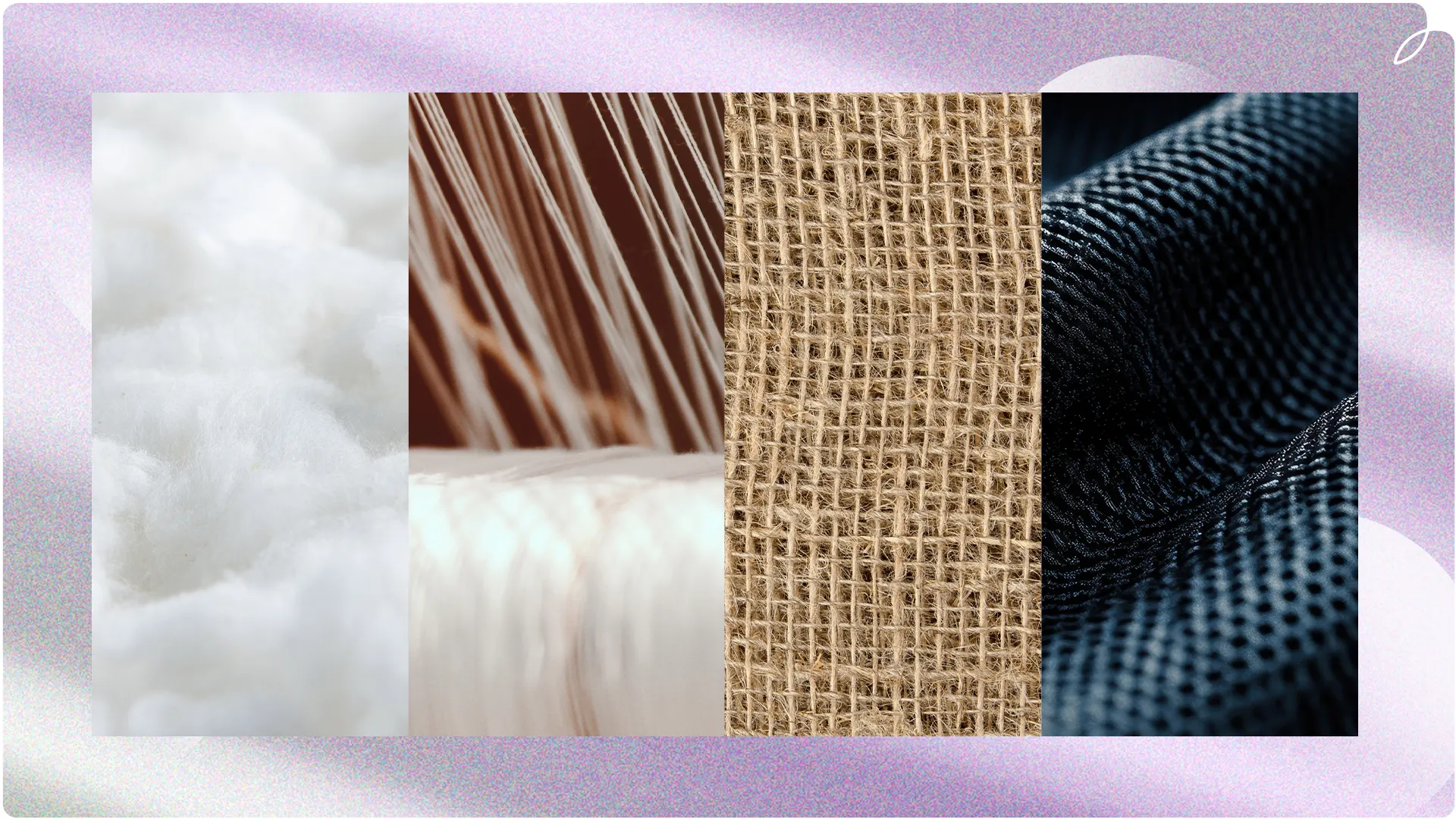
The first step in determining recyclability is to identify what your curtains are made of. Different fabrics and components require different handling.
Natural Fibers: Cotton, Linen, and Silk
Natural materials like cotton, linen, and silk are biodegradable and often easier to repurpose or compost if untreated. However, if they are dyed, coated, or blended with other fibers, their recyclability may be limited. Pure, untreated natural fabrics can sometimes be recycled through textile recycling programs or composted in small amounts if cut into small pieces.
Synthetic Fibers: Polyester (PET) and Nylon
Synthetic curtains, such as those made from polyester (which is essentially plastic) or nylon, are derived from petroleum and are not biodegradable. While polyester is technically recyclable, the process is complex and not always available through curbside programs. These materials often need to be taken to specialized textile recycling facilities.
Blended Fabrics
Many curtains combine natural and synthetic fibers to achieve specific textures, durability, or affordability. Blended fabrics are particularly challenging to recycle because separating the fibers is difficult. As a result, they frequently end up in landfills unless properly diverted to textile recyclers.
Other Components: Hooks, Grommets, Cords, and Linings
Don’t forget the non-fabric parts! Metal grommets, hooks, plastic or wooden rods, cords, and linings must be removed before recycling the fabric. These components can often be recycled separately—metals go with scrap metal, plastics with appropriate plastic recycling, etc.—but check local guidelines first.

So, Can I Put Old Window Treatments in the Recycling Bin?
In most cases, no, you should not put old curtains in your standard curbside recycling bin. Municipal recycling systems are designed for rigid containers, paper, and certain plastics, not textiles. Curtains can tangle sorting machinery, causing disruptions and potential damage.
However, that doesn’t mean recycling is impossible. Here’s what you can do instead:
1. Textile Recycling Programs
Look for dedicated textile recycling drop-off locations or programs. Many charities, thrift stores, and even some retailers offer textile recycling bins where curtains can be deposited. These textiles are then sorted; reusable ones may be resold, while others are downcycled into insulation, rags, or industrial materials.
2. Donate if Still Usable
If your curtains are in good condition, consider donating them to charity shops, shelters, or community theaters. This extends their life and reduces waste.
3. Repurpose Creatively
Old curtains can be transformed into pillow covers, tote bags, quilting material, or even cleaning rags. Natural fiber curtains can be cut into strips for composting if free of chemicals.
4. Manufacturer Take-Back Programs
Some curtain brands offer take-back or recycling initiatives. Check with the manufacturer to see if they accept old curtains for recycling when you purchase new ones.
5. Specialty Recycling Facilities
For synthetic or blended fabrics, search for local facilities that accept textiles for industrial recycling. Websites like Earth911 or local waste management authorities can help locate nearby options.


What to Do with Old Window Treatments: A Step-by-Step Guide
- Inspect and Clean: Check the condition of your curtains. If still usable, clean them according to care instructions before donating or repurposing.
- Separate Components: Remove all non-fabric parts like metal rings, hooks, or plastic liners. Dispose of these appropriately via metal or plastic recycling if possible.
- Research Local Options: Use online resources to find textile recycling drop-offs, charity pick-ups, or special collection events in your area.
- Repurpose or Upcycle: Get creative—turn them into new home décor items, pet bedding, or garden shade cloth.
- Dispose Responsibly: If no other options exist and the curtains are beyond use, dispose of them with general waste as a last resort. Avoid illegal dumping.
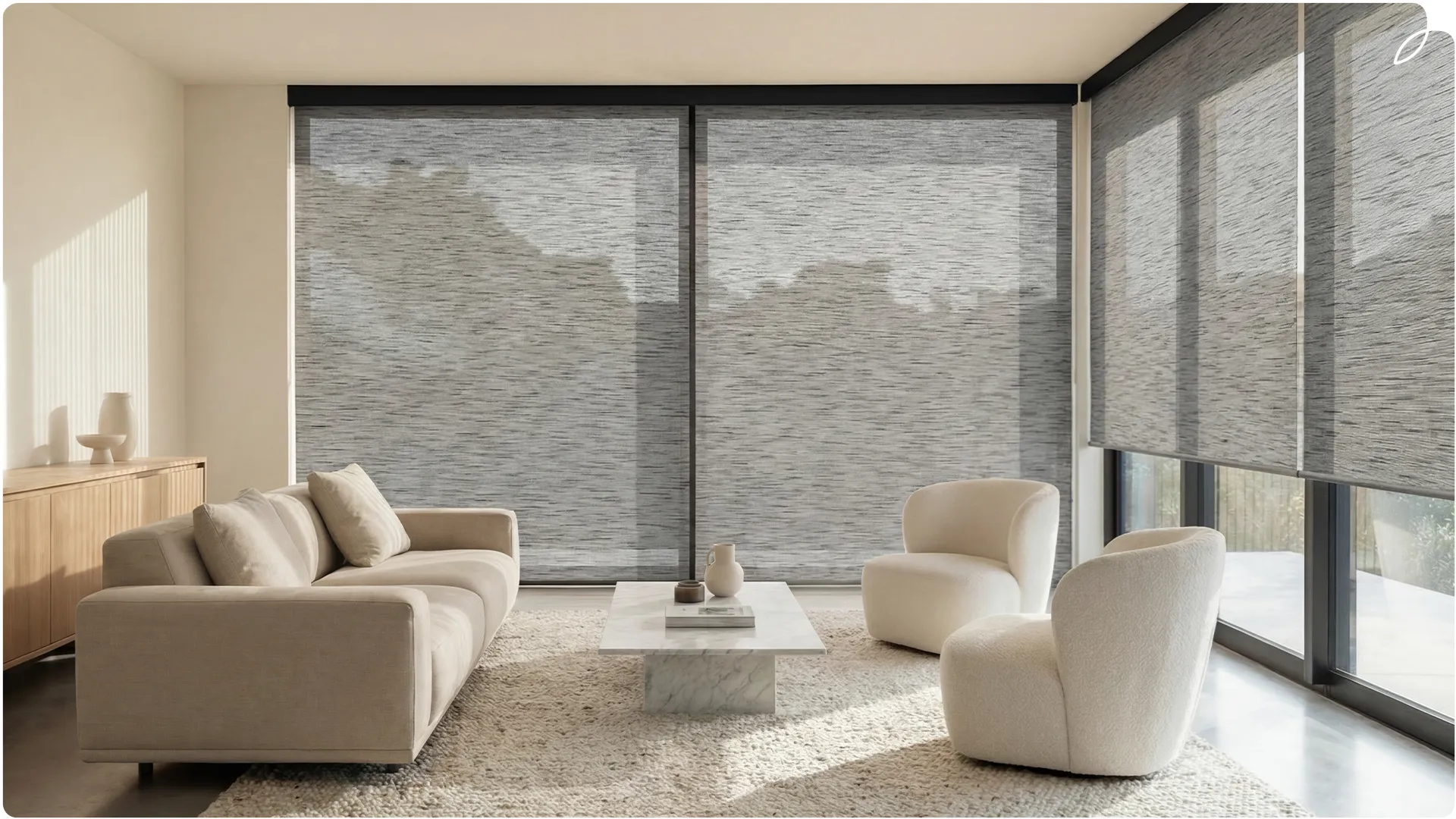

Choosing Sustainable Window Treatments for the Future
When it's time to replace your window treatments, making an eco-conscious choice can minimize future waste. Consider the following:
- Opt for Durable, High-Quality Materials: Investing in well-made curtains from sustainable fabrics extends product life, reducing the frequency of replacement.
- Look for Certifications: Seek out curtains made from organic cotton, recycled polyester (rPET), or other materials with certifications like GOTS (Global Organic Textile Standard) or OEKO-TEX®.
- Modular or Repairable Designs: Some brands offer curtains with replaceable parts or easy-to-repair features, supporting a circular economy.
- Support Responsible Brands: Choose companies committed to sustainable practices, from sourcing to packaging and end-of-life solutions.


Choosing Sustainable Window Treatments: A Lasting Solution
The most effective way to reduce waste is to purchase better-quality, sustainable curtains from the start. Look for brands that prioritize eco-friendly materials, ethical production, and durability.
Graywind is committed to offering stylish, sustainable window treatment solutions. Our approach includes:
- Safe Smart Home Certification: We use motors that meet rigorous international safety and sustainability standards, complying with EU health and environmental guidelines for a reliable, healthy living space.
- Healthy Green Products: Our fabrics are carefully selected for low chemical emissions, combining elegance with environmental responsibility to ensure your comfort and well-being.
- Eco-Friendly Mission: We continuously strive to reduce our ecological footprint. By embracing the principles of Reduce, Reuse, and Recycle, we develop window treatments that protect both our customers and the planet.
Ready to make a sustainable choice? Explore Graywind's eco-conscious window treatments and smart window solutions—where design meets responsibility, and style supports sustainability.